
📝 Publications & Technical Reports
For a complete list of publications, please visit my Google Scholar profile

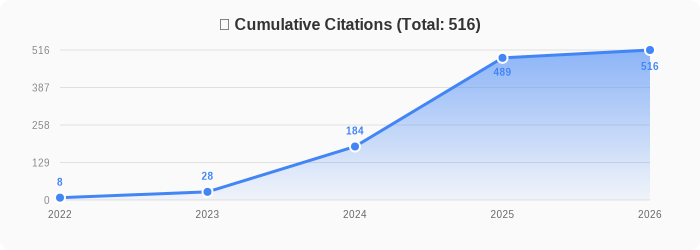
📈 View Citation Trend
Ubiquant technical reports: SAIL · IQuest-Q1
Note: * denotes equal contribution. Journal and conference papers shown here are first- or co-first-authored; technical-report roles are stated individually.
🧠 Representation and Predictive Learning 3
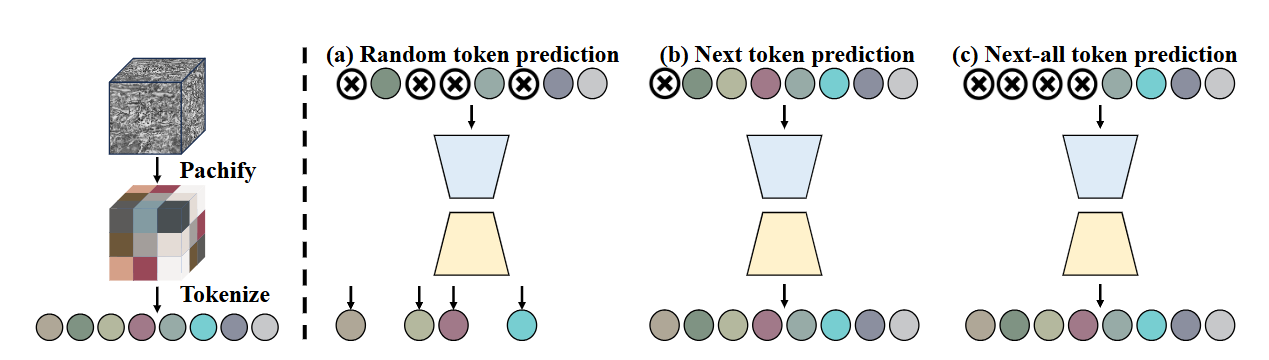
TokenUnify: Scaling Up Autoregressive Pretraining for Neuron Segmentation
ICCV · 2025
Yinda Chen*; Haoyuan Shi*; Xiaoyu Liu; Te Shi; Ruobing Zhang; Dong Liu; Zhiwei Xiong; Feng Wu
Code  |
Dataset | Weights |
Autoregressive pretraining for volumetric neuron segmentation, combining three complementary prediction objectives with long-sequence modeling and an analysis of prediction-error accumulation.

Self-Supervised Neuron Segmentation with Multi-Agent Reinforcement Learning
IJCAI · 2023
Yinda Chen; Wei Huang; Shenglong Zhou; Qi Chen; Zhiwei Xiong
Code  |
Pretraining data |
Decision-based masked image modeling that learns masking policies through multi-agent reinforcement learning for neuron segmentation.

Learning Multiscale Consistency for Self-Supervised Electron Microscopy Instance Segmentation
ICASSP · 2024
Yinda Chen; Wei Huang; Xiaoyu Liu; Shiyu Deng; Qi Chen; Zhiwei Xiong

Self-supervised pretraining that encourages multiscale consistency in volumetric electron microscopy representations for neuron instance segmentation.
✨ Foundation Models, Multimodal Learning & Agents 8
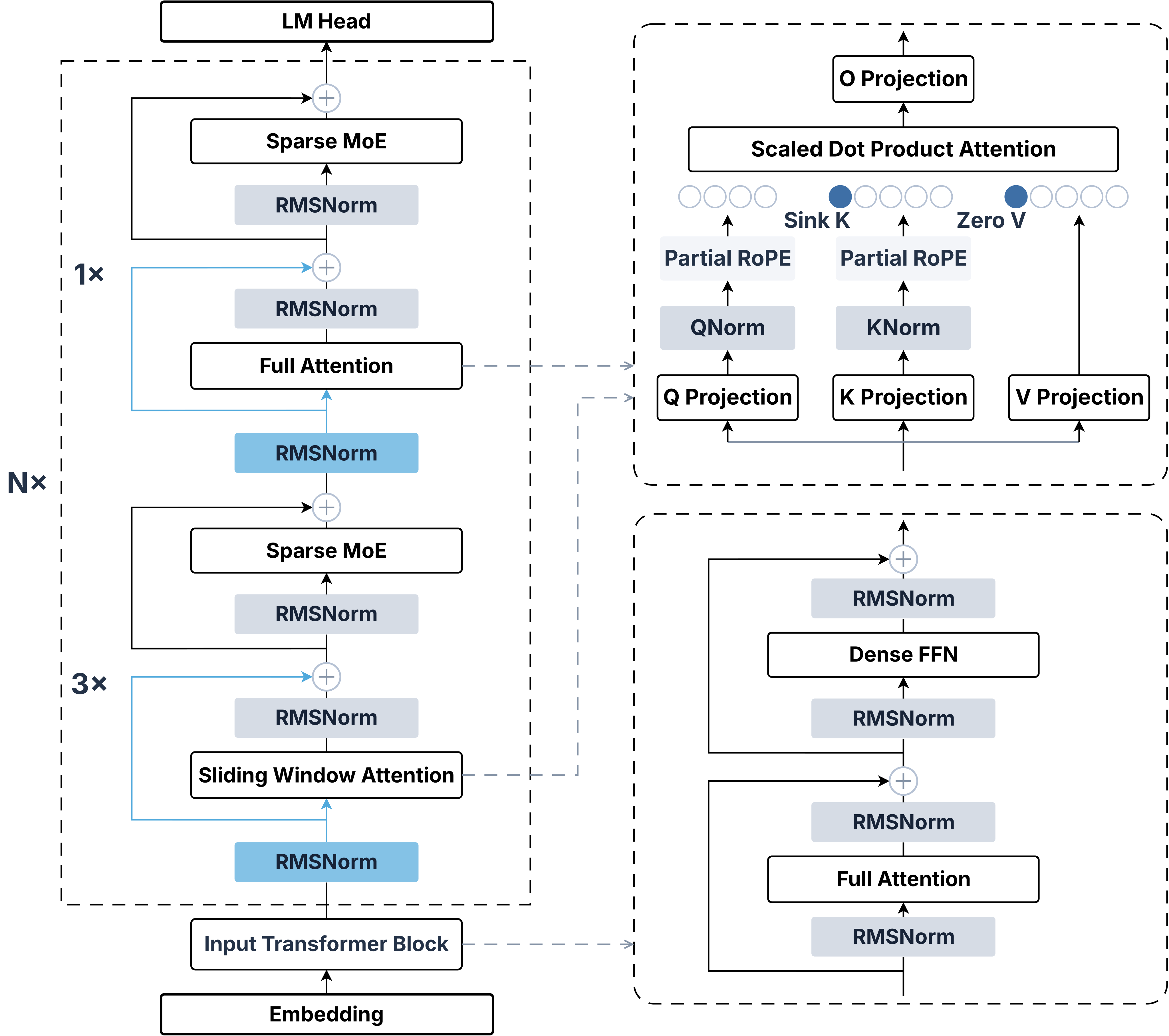
Figure 3 · Model architecture · Click to enlarge
IQuest-Q1: Advancing Foundation Capabilities for Agentic CLI Systems
Ubiquant (九坤投资) · October 2026
Yinda Chen, co-author
| Report | Project | Code  |
Models |
A foundation model for command-line interaction, coding, and multi-step tool use. Contributed during my research internship at Ubiquant (九坤投资).
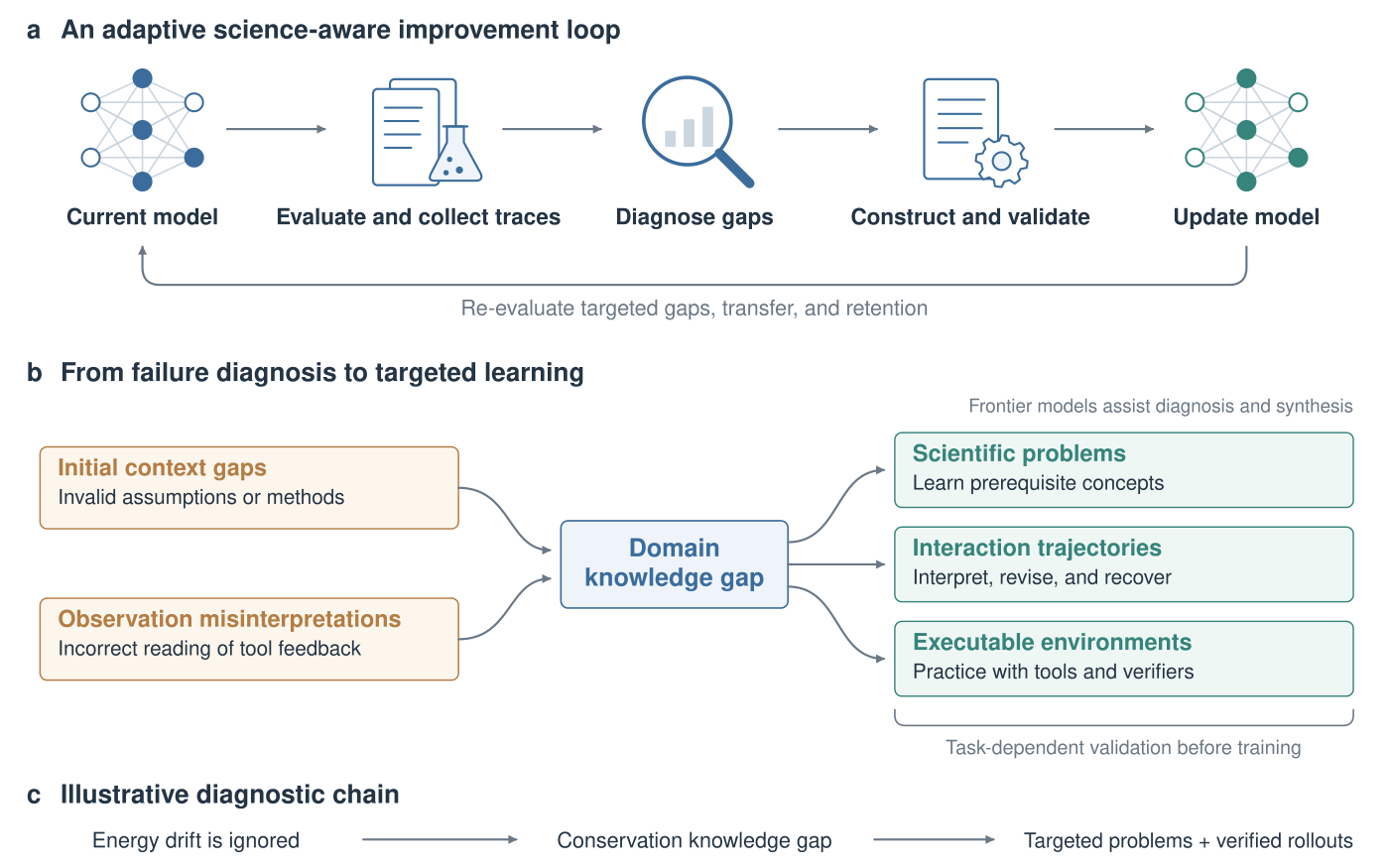
Figure 4 · Science-aware improvement loop · Click to enlarge
SAIL: Scientific Agentic Intelligence via a Science-Aware Loop
Ubiquant (九坤投资) · October 2026
SAIL Model Team · Yinda Chen, core contributor
A scientific-agent research project for literature research, scientific coding, and multi-step investigations, developed through a science-aware improvement loop.
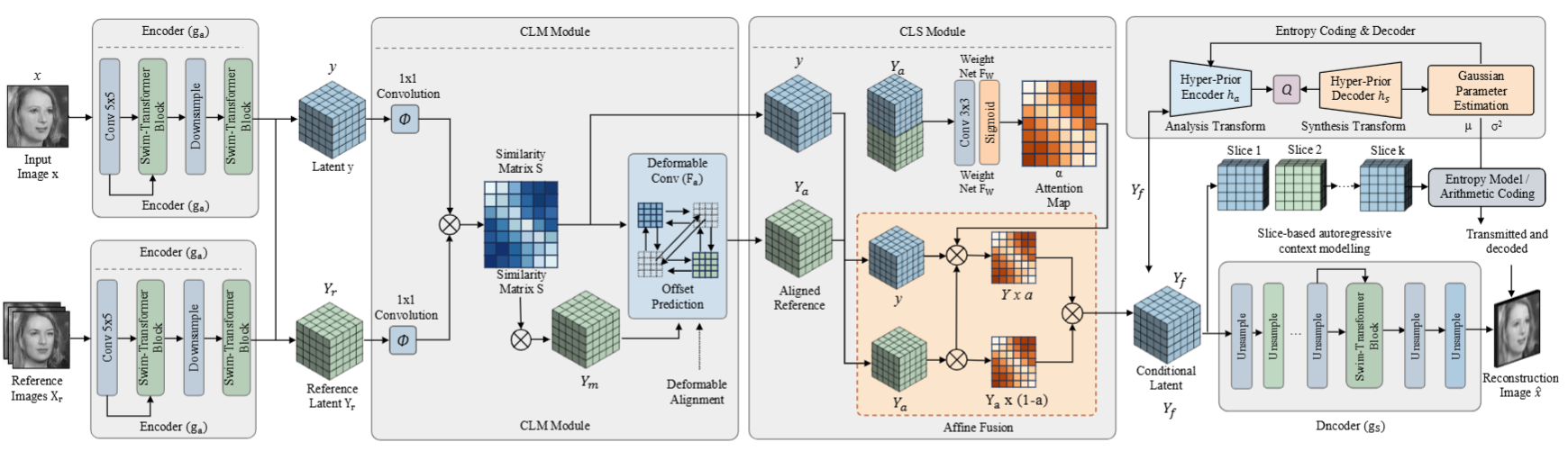
Learned Image Coding with Generative Reference of Conditional Latents
IEEE TPAMI · Accepted October 2026
Siqi Wu*; Yinda Chen*; Weiming Chen; Dong Liu; K. C. Ho; Zhihai He
Code  |
GRCL uses retrieved or generated images as references for conditional latent coding. The framework combines reference generation, latent matching and synthesis, and theoretical analysis of robustness to reference perturbations.

Conditional Latent Coding with Learnable Synthesized Reference for Deep Image Compression
AAAI · 2025
Siqi Wu*; Yinda Chen*; Dong Liu; Zhihai He
| Code |
Weights |
Learnable reference synthesis from an external image dictionary improves conditional latent coding for learned image compression.
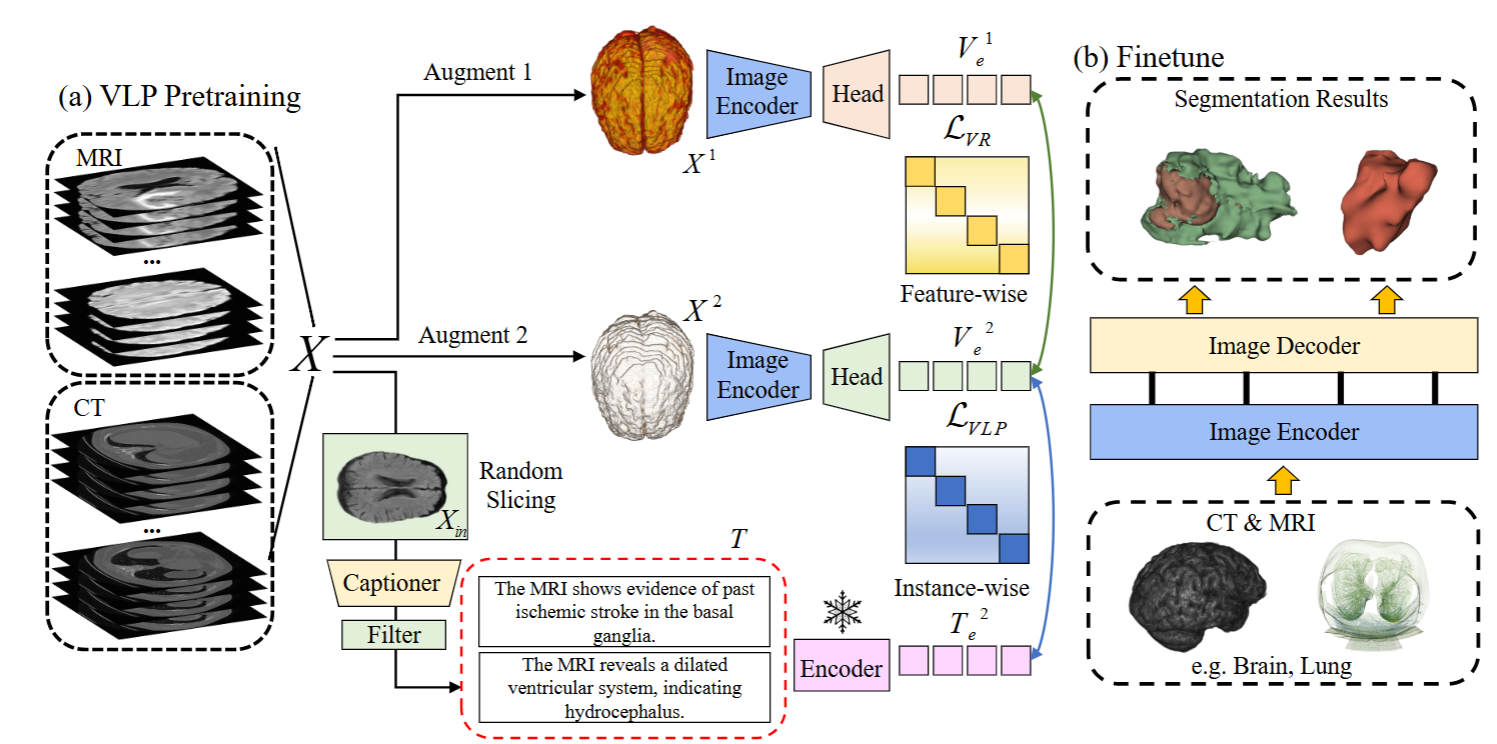
GTGM: Generative Text-Guided 3D Vision-Language Pretraining for Medical Image Segmentation
ICCV Workshop on VLM3D · 2025
Yinda Chen*; Che Liu*; Wei Huang; Xiaoyu Liu; Haoyuan Shi; Sibo Cheng; Rossella Arcucci; Zhiwei Xiong

Uses generated textual descriptions and negative-free contrastive learning to pretrain 3D medical image representations without paired medical text; evaluated through downstream segmentation on 10 CT/MRI datasets.

BIMCV-R: A Landmark Dataset for 3D CT Text-Image Retrieval
MICCAI · 2024
Yinda Chen; Che Liu; Xiaoyu Liu; Rossella Arcucci; Zhiwei Xiong
| Dataset | Code  |
A dataset of 8,069 3D CT volumes with paired radiology reports, together with the MedFinder framework for bidirectional medical image–text retrieval.

MaskFactory: Towards High-quality Synthetic Data Generation for Dichotomous Image Segmentation
NeurIPS · 2024
Haotian Qian*; Yinda Chen*; Shengtao Lou; Fahad Shahbaz Khan; Xiaogang Jin; Deng-Ping Fan
| Project | Code  |
A two-stage framework for generating paired images and masks for dichotomous image segmentation, expanding training data while preserving image–mask consistency.
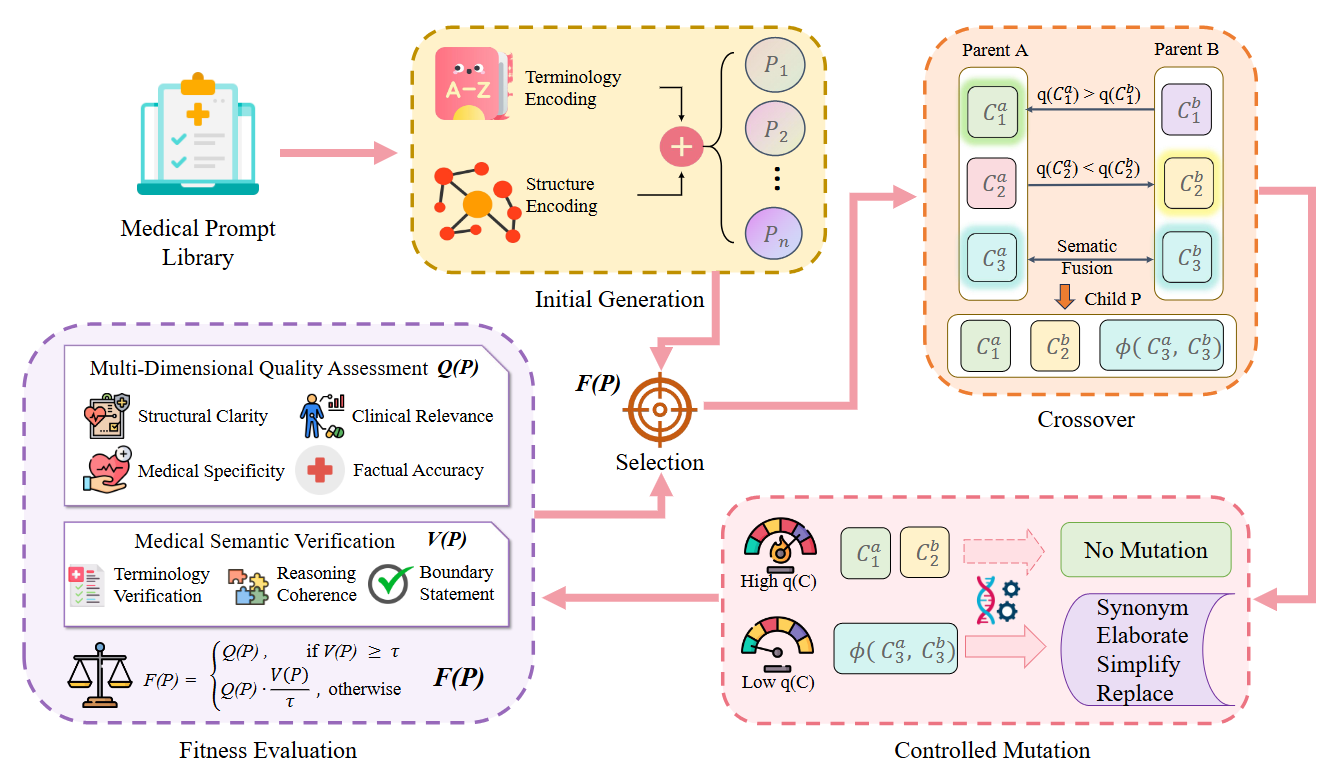
EMPOWER: Evolutionary Medical Prompt Optimization With Reinforcement Learning
IEEE JBHI · 2025
Yinda Chen*; Yangfan He*; Jing Yang; Dapeng Zhang; Zhenlong Yuan; Muhammad Attique Khan; Jamel Baili; Por Lip Yee
Combines evolutionary prompt optimization with reinforcement learning and multi-dimensional evaluation for medical language tasks.
🤖 World Models and Embodied Intelligence 2
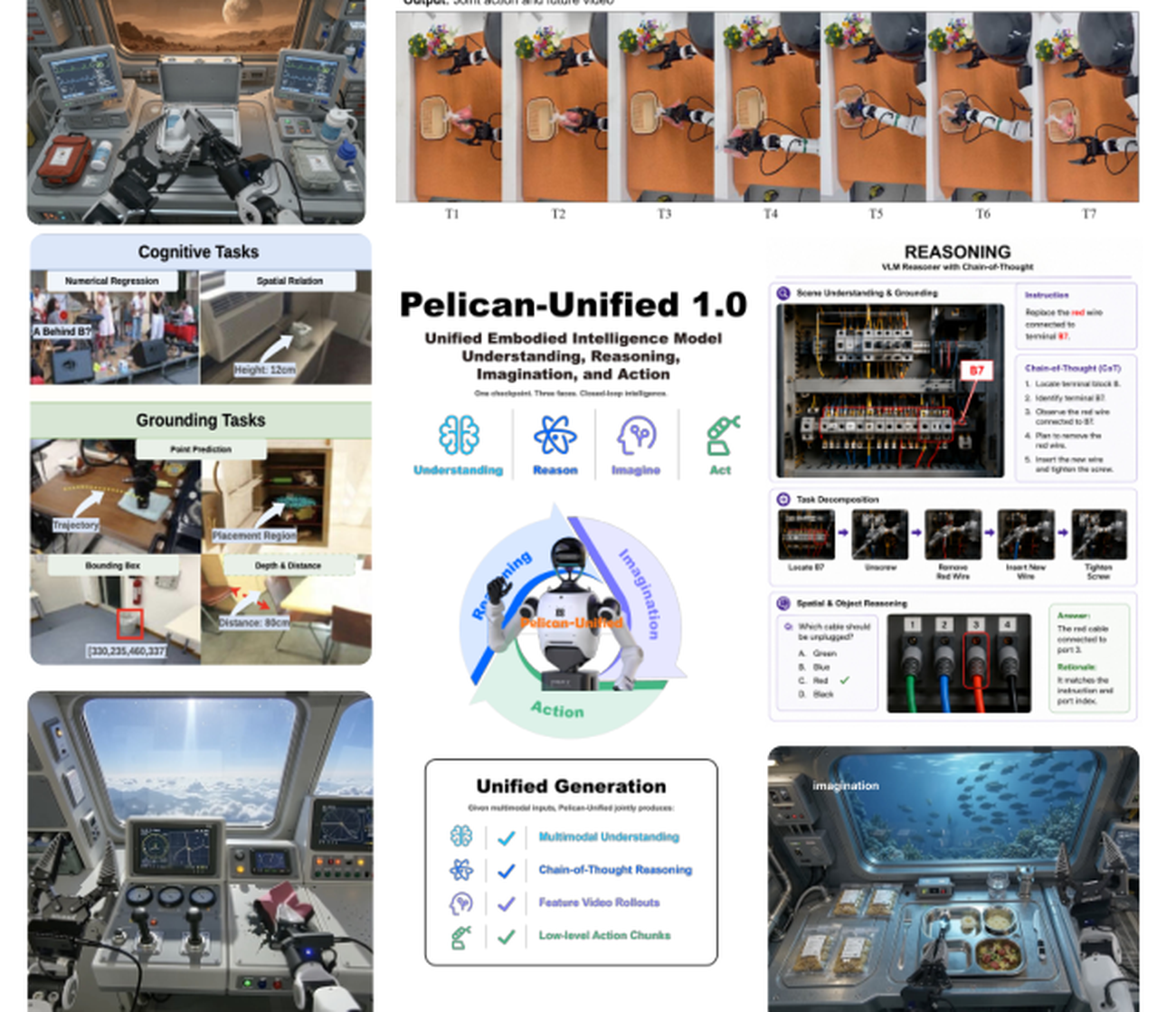
Pelican-Unified 1.0: A Unified Embodied Intelligence Model (UEI) for Understanding, Reasoning, Imagination and Action
X-Humanoid, WFM System Group · May 2026
Pelican-Unified Team · Yinda Chen, core contributor
| Report | Organization |
My contribution: unified vision-language modeling and action capability.
A unified embodied model that combines scene and instruction understanding, task reasoning, and joint prediction of future video and robot actions.
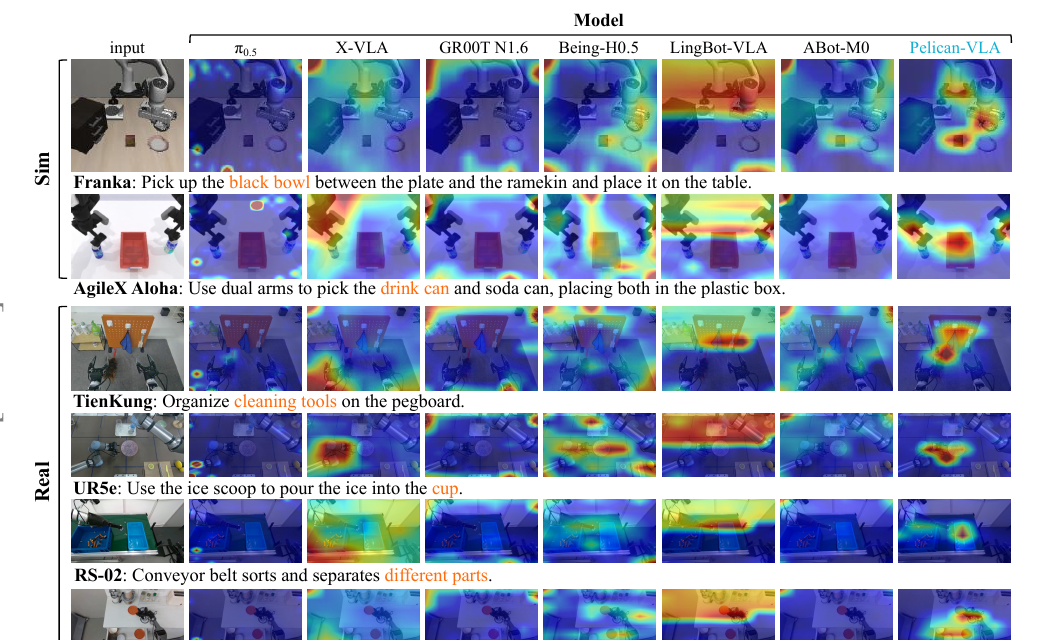
Pelican-VLA 0.5: Attending Before Acting Benefits Generalization
X-Humanoid, WFM System Group · July 2026
Pelican-VLA Team · Yinda Chen, contributor
| Report | Code  |
Models |
The VLA component of Pelican-Unified connects vision-language understanding, future-frame generation, and action prediction through learnable bottleneck tokens. The work studies task-relevant attention and manipulation generalization.